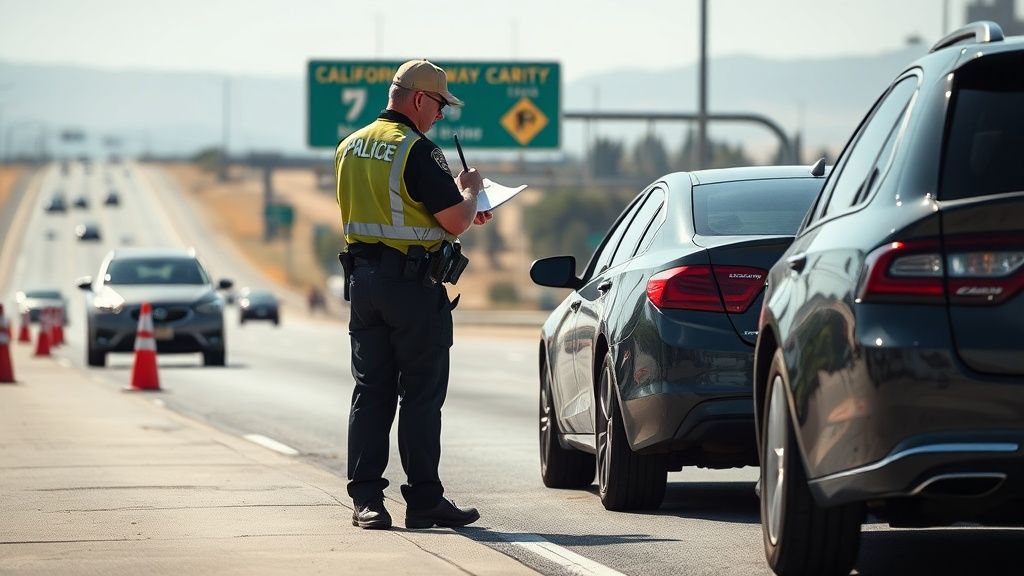
If you've been hurt in a car crash in California, the injury you feel in the first hour may not be the only one you have. Some of the most serious injuries — herniated discs, concussions, internal bleeding, PTSD — develop over hours or days. Knowing what to watch for, and understanding your legal rights under California law, can protect both your health and your ability to recover the compensation you deserve.
We've recovered over $150,000,000 for injured Californians. Here are the 10 most common car accident injuries we see — what they are, how they heal, and what they mean for your case.
Quick answer — the 10 most common car accident injuries in California:
- Whiplash and neck strain — delayed-onset, 24–72 hours post-crash
- Concussion and traumatic brain injury — even low-speed crashes cause them
- Herniated and bulging discs — nerve compression, radiating pain
- Broken bones and fractures — ribs, wrists, clavicles, ankles
- Shoulder and rotator-cuff tears — caused by seatbelt force
- Knee injuries from dashboard impact — ACL, PCL, meniscus tears
- Internal organ injuries and bleeding — life-threatening, often symptom-free for hours
- Lacerations and scarring — deep cuts, disfigurement damages
- Spinal cord injuries and paralysis — catastrophic, high lifetime cost
- Psychological injuries — PTSD and anxiety — compensable, often overlooked
1. Whiplash and Neck Strain
Whiplash is the most common car accident injury in California — and the pain often doesn't show up until 24 to 72 hours after the crash, which is why seeing a doctor the same day matters even if you feel fine.
Whiplash happens when a collision forces the head to snap forward and backward faster than the neck muscles can react. That sudden motion stretches and tears the cervical muscles, tendons, and ligaments. Rear-end crashes — the most common collision type in California — are the leading cause.
Symptoms include neck pain, stiffness, headaches at the base of the skull, shoulder aching, and dizziness. Because the pain is often delayed, many people make the mistake of skipping the ER and going home to rest. By the time the pain peaks two or three days later, the gap in documented medical care becomes a problem for the insurance adjuster.
California personal injury law allows you to recover economic damages (medical bills, lost wages) and non-economic damages (pain and suffering) for whiplash. Most cases resolve with 6–12 weeks of physical therapy. More severe tears may require a cervical epidural steroid injection or, rarely, surgery.
Practical takeaway: Get evaluated the day of the crash, even if you feel fine — a documented same-day medical visit closes the gap insurers exploit.
2. Concussion and Traumatic Brain Injury
A concussion can result from even a low-speed collision when the brain shifts inside the skull, and symptoms like memory problems or sensitivity to light can linger for weeks or months.
A concussion is a mild traumatic brain injury (TBI). It doesn't require a direct blow to the head — the rapid deceleration of a crash can move the brain against the inside of the skull with enough force to cause injury. More severe crashes can produce moderate or severe TBI, including subdural hematoma (bleeding between the brain and skull).
Symptoms of concussion include headache, nausea, confusion, sensitivity to light and noise, difficulty concentrating, and sleep disturbances. These symptoms may appear immediately or hours later. Post-concussion syndrome — symptoms lasting more than three months — occurs in roughly 10–15% of concussion patients.
Moderate and severe TBIs are among the most expensive injuries to treat. Long-term rehabilitation, cognitive therapy, and lost earning capacity can push lifetime damages well above $1,000,000.
California does not cap economic damages in car accident cases, meaning the full cost of your medical care and lost income is recoverable.
Practical takeaway: Any confusion, headache, or "foggy" feeling after a crash warrants a same-day neurological evaluation — don't wait for symptoms to worsen.
3. Herniated and Bulging Discs
Herniated discs from a car crash compress nearby nerves and cause radiating pain down the arm or leg — an injury that frequently requires months of physical therapy or surgical intervention.
Between every pair of vertebrae in your spine sits a soft, gel-filled disc that acts as a shock absorber. A crash can compress or twist the spine with enough force to push that disc out of position (bulge) or rupture its outer wall (herniate). When the disc presses on a nearby nerve root, it causes radiating pain — sharp, burning, or electric sensations that travel down the arm (cervical disc) or leg (lumbar disc, commonly called sciatica).
Herniated discs are among the most frequently litigated injuries in California car accident cases because they often require expensive MRI imaging to document, and insurers routinely argue they were "pre-existing." An attorney-ordered independent MRI taken shortly after your crash can rebut that argument.
Treatment ranges from physical therapy and epidural steroid injections to surgical discectomy or spinal fusion. Recovery ranges from 6 weeks for conservative treatment to 6–12 months following surgery.
Practical takeaway: If you feel any radiating pain, numbness, or tingling in your arms or legs after a crash, request an MRI — an X-ray alone will not show a disc injury.
4. Broken Bones and Fractures
Broken bones are a straightforward but painful injury that appears in a wide range of car accident scenarios. High-speed frontal collisions break ribs and sternums. Bracing against the steering wheel or dashboard breaks wrists and forearms. Side-impact ("T-bone") crashes fracture the clavicle, pelvis, and ankle.
Rib fractures are particularly uncomfortable because every breath aggravates them — and they carry a risk of puncturing the lung (pneumothorax). Simple fractures in healthy adults typically heal in 6–8 weeks with immobilization. Comminuted fractures (shattered bone) or fractures requiring surgical hardware — plates, rods, or screws — take significantly longer and leave a permanent medical record of the injury.
California courts routinely award damages for the cost of orthopedic surgery, physical therapy, and any permanent disability that affects your ability to work. If you lose income while recovering, Cal. Lab. Code §3600 governs workers' compensation recovery for on-the-job crashes — a separate claim that can run alongside a personal injury case when another driver caused the accident.
Practical takeaway: Photograph every visible bruise or swelling at the scene — bruising over the sternum or ribs may not appear for 24 hours but documents the impact zone.
5. Shoulder and Rotator-Cuff Tears
Seatbelts save lives — but the diagonal shoulder belt also concentrates crash force directly across the shoulder joint. When that force is high enough, it tears the tendons of the rotator cuff — the group of four muscles and tendons that stabilize the shoulder and allow you to raise your arm.
A rotator-cuff tear produces sharp pain, weakness when lifting the arm, and a reduced range of motion. Partial tears may respond to physical therapy over 3–6 months. Full-thickness tears almost always require arthroscopic or open surgical repair, followed by 4–6 months of physical therapy before functional recovery.
Shoulder surgery in California averages $15,000–$30,000 for arthroscopic repair and considerably more for complex reconstruction. These are recoverable economic damages in a personal injury claim against the at-fault driver.
Practical takeaway: Tell your doctor about shoulder pain right away — rotator-cuff tears on MRI look the same whether they're one week or six months old, but a gap in your medical records helps the insurer argue the injury happened elsewhere.
6. Knee Injuries from Dashboard Impact
In a frontal collision, an unbelted passenger's knees slam into the dashboard. Even a belted occupant can have knees driven forward by the compressive force of the crash. The result is frequently a torn ligament — ACL (anterior cruciate ligament), PCL (posterior cruciate ligament), or a torn meniscus (the cartilage that cushions the knee joint).
ACL and PCL tears rarely heal on their own. Surgical reconstruction using a graft — taken from the patient's own tissue or a donor — is the standard treatment for active adults. Recovery from ACL reconstruction typically takes 6–12 months before return to full activity.
Meniscus tears range from minor (managed with physical therapy) to complete (requiring surgical trimming or repair). Chronic knee instability after a crash can accelerate the onset of osteoarthritis, creating a long-term economic loss argument for younger victims.
California allows recovery for future medical expenses reasonably certain to be incurred — meaning an orthopedic surgeon's opinion that you will need a knee replacement at age 55 is recoverable today.
Practical takeaway: Request an MRI of the knee after any frontal collision where your knees contacted the dashboard — plain X-rays do not show ligament or cartilage damage.
7. Internal Organ Injuries and Bleeding
Internal organ injuries are the most dangerous crash injuries to miss because bleeding from the spleen or liver may produce no obvious symptoms for several hours after impact.
Blunt abdominal trauma — from the steering wheel, airbag, or seatbelt — can lacerate or contuse the spleen, liver, or kidneys without breaking any external skin. The organ bleeds internally. In the first hour after a crash, you may feel only mild abdominal soreness. Hours later, as the blood accumulates, symptoms escalate to severe abdominal pain, dizziness, rapid heart rate, and shock.
A ruptured spleen is a surgical emergency. Delayed presentation is one of the leading causes of preventable crash-related deaths in California.
If you feel any abdominal pain, tenderness, or bloating after a crash — even minor — go to an emergency room immediately and tell the staff you were in a vehicle collision. A CT scan of the abdomen can detect internal bleeding that a physical exam will miss.
Practical takeaway: Abdominal pain or nausea after a crash is an emergency — drive to the ER or call 911, even if you "feel okay overall."
8. Lacerations and Scarring
Shattered glass, metal edges, airbag deployment, and debris create lacerations in even moderate-speed crashes. Lacerations range from superficial cuts that heal cleanly to deep wounds involving muscle, tendons, or facial structures that require surgical closure and leave permanent scars.
Permanent facial scarring and disfigurement are among the most emotionally significant non-economic damages a California jury can award. Unlike medical malpractice cases, which are subject to the MICRA non-economic damages cap ($470,000 for non-death cases in 2026 under AB 35, increasing annually), standard car accident cases in California carry no cap on non-economic damages — meaning a jury can award whatever amount it determines fairly compensates for permanent disfigurement.
Treatment for significant lacerations may include emergency closure, reconstructive plastic surgery, scar revision procedures, and laser therapy — all recoverable as economic damages.
Practical takeaway: Photograph all visible lacerations at the scene and again at 48 hours — the appearance of a healing scar documents its severity better than a medical description alone.
9. Spinal Cord Injuries and Paralysis
Spinal cord injuries from high-energy crashes can cause permanent paralysis, with lifetime care costs that routinely exceed one million dollars.
A high-energy crash — typically a high-speed collision, rollover, or T-bone impact — can fracture or dislocate one or more vertebrae. When the vertebral bone fragments or shifts far enough to compress or sever the spinal cord, the neurological injury may be permanent.
Injury above the thoracic vertebrae (mid-back) can cause paraplegia (loss of function in the legs). Injury in the cervical spine (neck) can cause quadriplegia (loss of function in all four limbs). Incomplete injuries leave partial function; complete injuries do not.
The lifetime cost of a C4-level spinal cord injury exceeds $5,000,000 for a young adult when factoring in acute hospitalization, rehabilitation, home modification, attendant care, adaptive equipment, and lost earning capacity. California law allows recovery of all of these costs from the at-fault driver — and from your own underinsured motorist (UIM) policy under Cal. Ins. Code §11580.2 if the at-fault driver's liability limits are insufficient.
Practical takeaway: If you or a passenger cannot feel or move their limbs after a crash, do not move them — spinal immobilization by paramedics is critical, and a premature move can convert an incomplete injury to a complete one.
10. Psychological Injuries — PTSD and Anxiety
Psychological injuries like PTSD and anxiety are recognized as real, compensable harm in California personal injury cases and can be recovered as general damages alongside physical injuries.
A serious car crash is a life-threatening event. It is entirely expected — and medically recognized — that survivors develop post-traumatic stress disorder (PTSD), generalized anxiety disorder, depression, driving phobia, or a combination of these conditions. These are not "soft" injuries. PTSD has measurable neurological markers, diagnosis criteria under the DSM-5, and treatment protocols involving psychotherapy and medication.
In California, emotional distress suffered as a direct result of a defendant's negligence is compensable as general damages under well-established negligence principles. You do not need a physical impact to recover — but psychological injury claims are stronger when supported by documented treatment from a licensed mental health professional.
California's pure comparative negligence rule, established in Li v. Yellow Cab Co., 13 Cal.3d 804 (1975), means that even if you contributed to the crash in some way, you can still recover — your damages are simply reduced by your percentage of fault. A defendant cannot dismiss your PTSD claim by arguing you were partially responsible for the crash.
Practical takeaway: If you experience flashbacks, nightmares, panic attacks, or an inability to drive after a crash, document it with a licensed therapist — a medical record of your psychological injury is as important to your claim as your orthopedic records.
Your Legal Rights After a Car Accident in California
California requires every driver to carry minimum liability insurance: $30,000 per person / $60,000 per accident for bodily injury under Cal. Ins. Code §11580.1b. In a serious crash involving any of the injuries above, those minimums are routinely exhausted — especially in spinal cord, TBI, or multi-fracture cases.
When the at-fault driver's coverage runs out, your own underinsured motorist (UIM) policy under Cal. Ins. Code §11580.2 fills the gap. That's why carrying adequate UIM coverage matters — and why an attorney who reviews all available insurance layers from the beginning recovers more than one who only pursues the at-fault driver's policy.
California follows the pure comparative negligence rule established in Li v. Yellow Cab Co., 13 Cal.3d 804 (1975). Even if you were 30% at fault, you can recover 70% of your damages. Insurance adjusters use comparative fault as a negotiating lever — knowing the law protects you from accepting an artificially reduced offer.
The general statute of limitations for a California car accident personal injury claim is two years from the date of the crash under Cal. Civ. Proc. Code §335.1. Claims against a government entity (a city or county driver, a Caltrans vehicle) carry a six-month government tort claim deadline under Cal. Gov. Code §911.2 — miss it and the claim is barred.
We handle California car accident cases on a contingency basis: $0 upfront, no fee unless we win. Call (818) 794-9947 for a free case review — available in English and Spanish.
Frequently Asked Questions
What are the most common car accident injuries in California?
Whiplash and neck strain is the single most common car accident injury, followed by concussion and traumatic brain injury, herniated discs, broken bones, and soft-tissue shoulder injuries. In severe crashes, spinal cord injuries and internal organ injuries are the most life-threatening.
Why do car accident injuries appear days after the crash?
Adrenaline and inflammation mask pain signals immediately after a collision. Whiplash, concussions, herniated discs, and internal bleeding can all be present at the scene while you feel relatively normal. Symptoms typically peak 24–72 hours after the crash — which is why a same-day medical evaluation is essential even when you feel fine.
Are car accident injuries covered by insurance in California?
Yes. The at-fault driver's liability insurance covers your medical bills, lost wages, and pain and suffering up to their policy limits. If those limits are exhausted, your own underinsured motorist (UIM) coverage under Cal. Ins. Code §11580.2 provides an additional layer of recovery. Your own health insurance may also cover treatment costs subject to a subrogation lien.
How long do I have to file a car accident injury claim in California?
You generally have two years from the crash date under Cal. Civ. Proc. Code §335.1. If the at-fault driver was a government employee — a city bus, a Caltrans vehicle — you have only six months to file a government tort claim under Cal. Gov. Code §911.2.
Can I recover for psychological injuries like PTSD after a car accident?
Yes. PTSD, anxiety, depression, and driving phobia are compensable as general damages in California personal injury cases under established negligence principles. A diagnosis from a licensed mental health professional and a documented treatment record strengthen the claim significantly.
What if I was partly at fault for the crash?
California follows the pure comparative negligence rule from Li v. Yellow Cab Co., 13 Cal.3d 804 (1975). If you were 25% at fault, you recover 75% of your total damages. Partial fault does not eliminate your right to compensation — it only reduces it proportionally.
What should I do immediately after a car accident in California?
Call 911, get medical attention the same day even if you feel fine, photograph the scene and all vehicles, get the other driver's insurance information, and do not give a recorded statement to any insurance adjuster before consulting an attorney. The steps you take in the first 48 hours have a direct impact on the strength of your claim.
If you've been injured in a California car crash, every day you wait is a day the insurance adjuster uses to build a case that your injuries are minor or unrelated to the collision. We handle car accident cases from the moment of injury to the final settlement or award — $0 upfront, no fee unless we win.
Call (818) 794-9947) for a free consultation. Available in English and Spanish.